

OroraTech Wrapped 2025
As the year winds down, let's check out the top five moments of the year.
OroraTech Wrapped 2025
As the year winds down, let's check out the top five moments of the year.
So here we are - the end of 2025.
What a year.
Without a doubt, this has been the best year in the history of OroraTech. And that’s not something we say lightly. This was the year where everything clicked - more users, more features, more satellites, and more impact than ever before. This year, we grew like never before!
To celebrate: here’s our OroraTech Wrapped.
We more than doubled the area we monitor, from 165 million hectares to over 407 million hectares, meaning OroraTech now watches an area comparable to the size of the European Union. We expanded our constellation from two OroraTech satellites to more than ten in orbit, and we proudly supported over 50 customers, nearly 1000 users, across 22 countries worldwide.
At the same time, we poured focused development effort into what matters most: making our Wildfire Solution more powerful, more reliable, and more user-friendly — without ever losing sight of impact.
As the year wraps up, we wanted to look back at the moments that defined 2025. The launches, the releases, the milestones - the things that made this year unforgettable.
Let’s have a look at the top 5 achievements of this year!
Number 5: GENA-OT
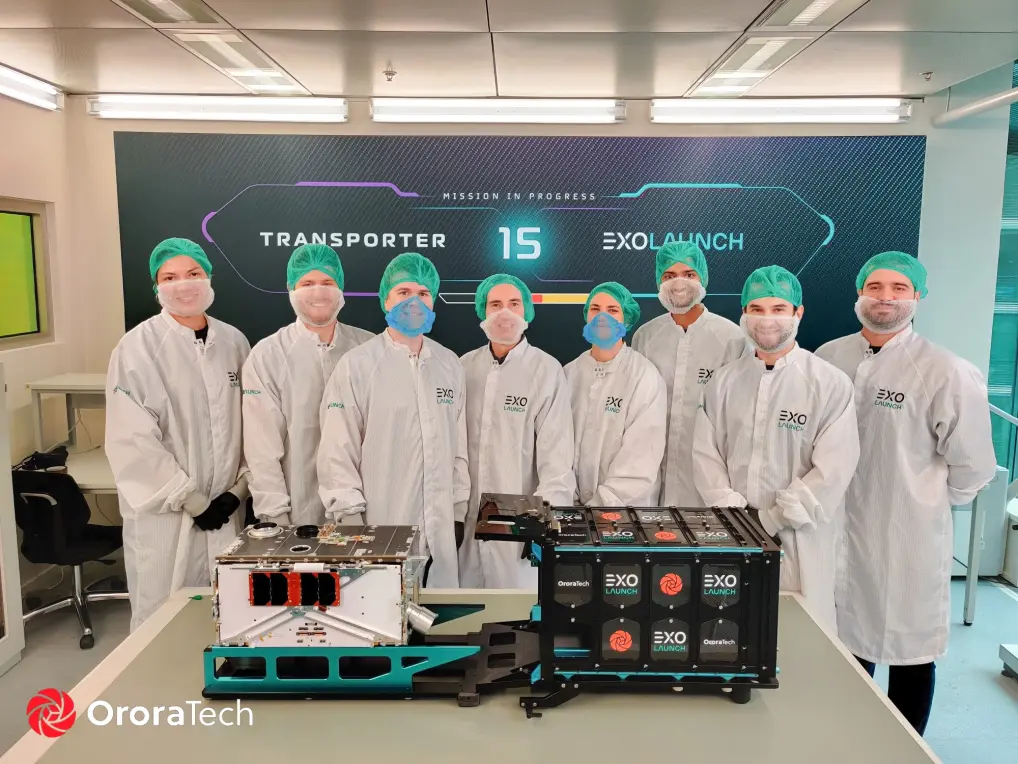
Ready for launch.
The delivery team for GENA-OT, together with our friends at Exolaunch, place the satellite inside its final deployer before launch
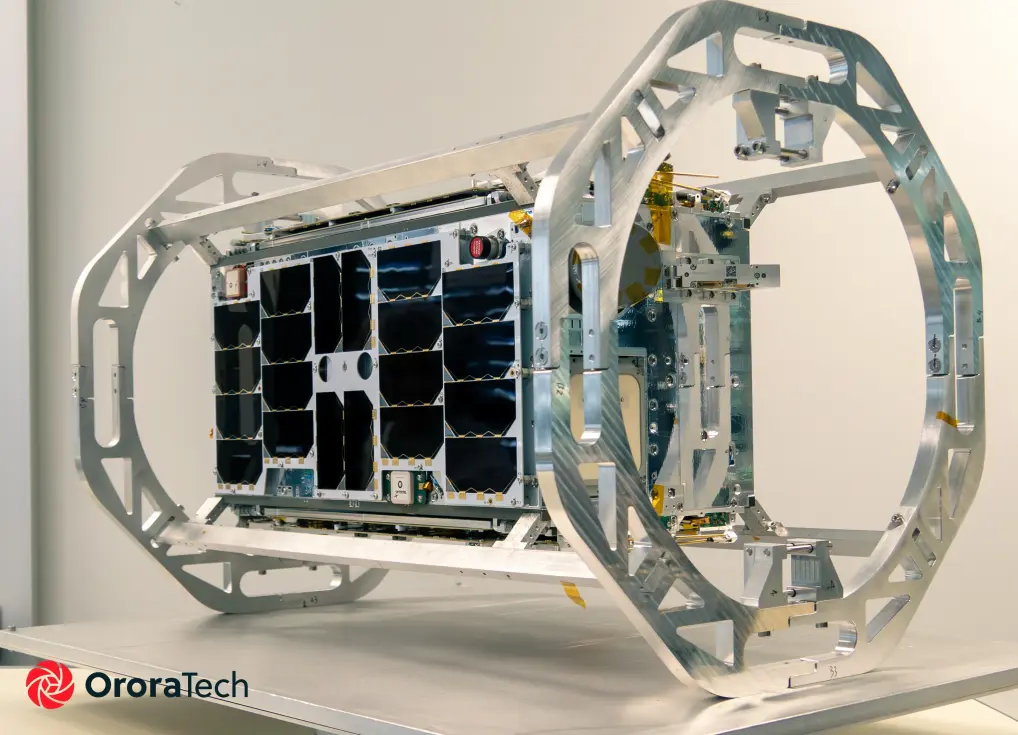
In the lab.
GENA-OT with its solar panel stowed.
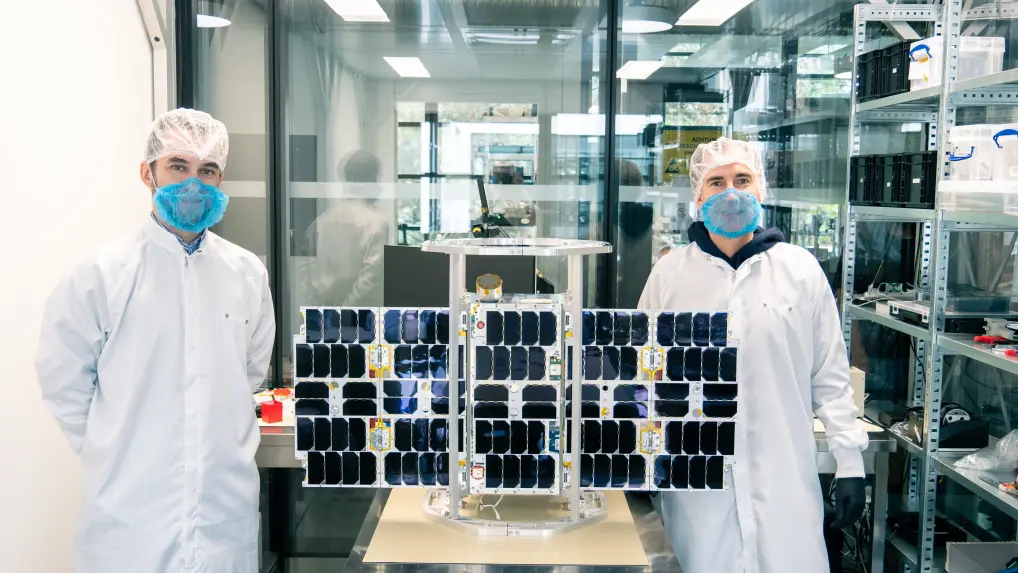
Final preparation of the solar panels.
Satellite Systems Engineer Ignacio Viciano-Semper and GENA-OT Project Manager Pablo Laslabay pose with the satellites after doing final checks on the solar panel deployers.
GENA-OT is one of those projects that quietly changes everything.
This year, we successfully launched GENA-OT, our new generic, flexible nanosatellite platform - and with it, a brand-new paradigm for how scientific missions get to orbit. Instead of every research group needing to build an entire satellite from scratch, GENA-OT allows multiple scientific projects to ride together on a shared, standardized platform.
That means faster timelines, lower barriers to entry, and more innovation reaching space, sooner.
The first GENA-OT carries multiple scientific payloads, from animal tracking to new communications technologies, all operating together in orbit. It’s a powerful example of how commercial platforms can support public benefit and accelerate scientific discovery, and it sets the foundation for future missions built around speed, modularity, and collaboration.
This project is about how accessible space can be - the final frontier is now a little closer to those who want to understand and study it. We are so happy to be a part of that legacy.
Number 4: The Hellenic Fire System
2025 was a big year for wildfire intelligence in Greece.
2026 will be even bigger.
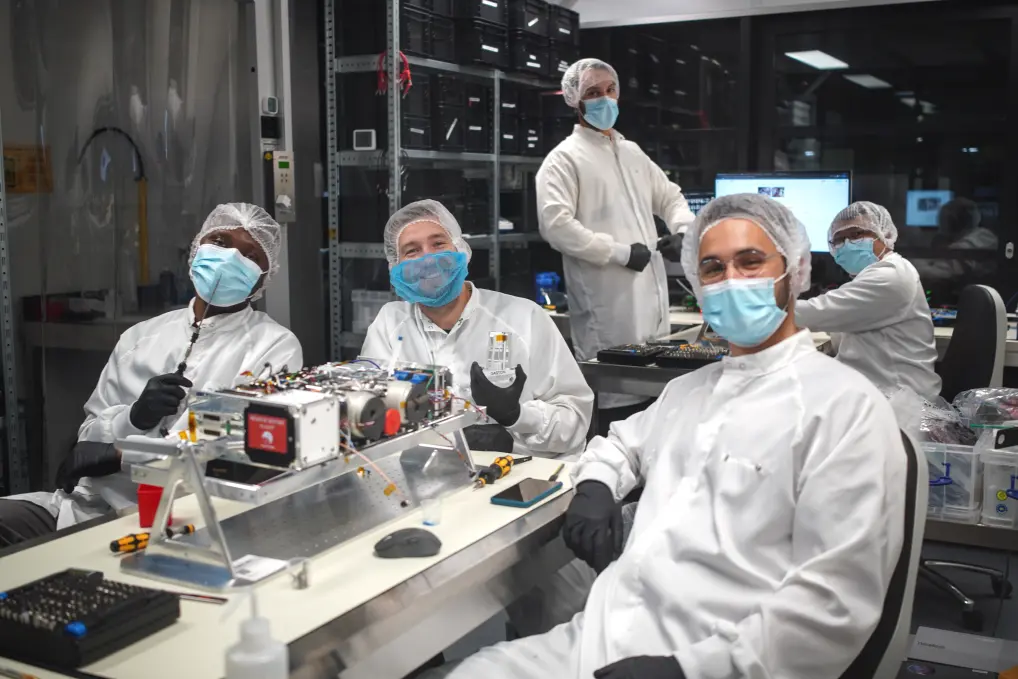
Building in the lab
Our production team working on HFS-2 and HFS-3 in our laboratories. We expanded our production capabilities dramatically this year to build the Hellenic Fire System.
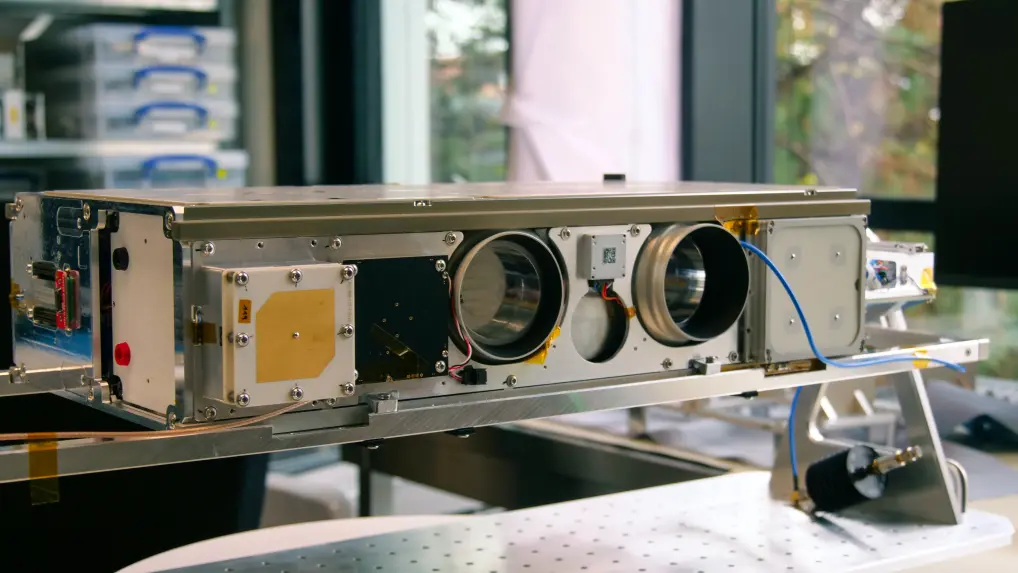
Enginering Model
The engineering model for all four of the Hellenic Fire System satellites. Their design is based on our FOREST-3 satellites, but with slight modifications to the attennas and other subsystems.
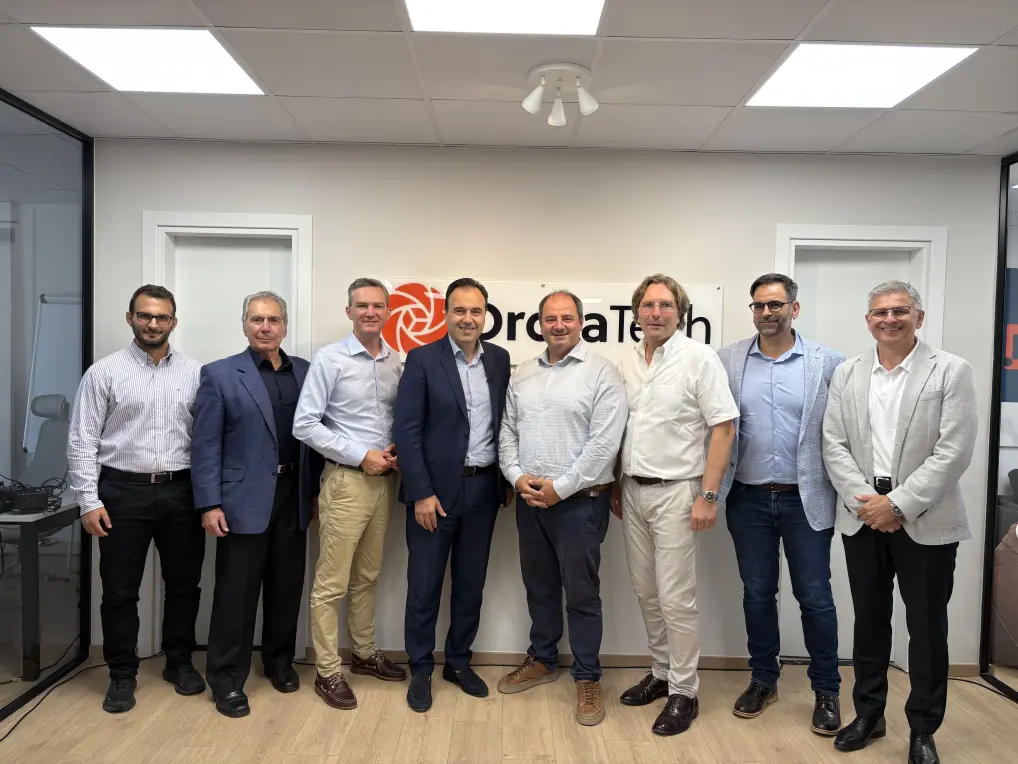
Greek Office Opening
Members of the Hellenic Space Center, Greek Ministry of Digital Governance, OroraTech Greece, and OroraTech all pose together during our opening party. It was a great chance to introduce ourselves to the Greek space ecosystem and establish our office.
We upscaled our development of the Hellenic Fire System this year, working diligently to get the satellites built and tested. We worked closely with the Ministry of Digital Governance, which provides data to the Hellenic Fire Agency, helping them to detect and manage wildfires across the Greek archipelago. This partnership is a powerful example of how national-scale wildfire monitoring systems can work by combining satellite data, operational needs, and real-world impact.
This year was also about commitment. We opened a new OroraTech office in Athens, welcomed an incredible group of new colleagues, and deepened our presence in the region. And we’re not stopping there.
We’re currently in the middle of building four dedicated satellites for the Hellenic Fire System project to deliver Greece’s first national wildfire monitoring constellation. This system is something unlike anything else - Greece will be the first country EVER to have dedicated wildfire monitoring from space at this scale. While we’ll save the details for now, we can say this: those satellites are coming next year - and they’ll take this system to the next level.
Number 3: Wildfire Solution 2.0
Built to grow, built for users
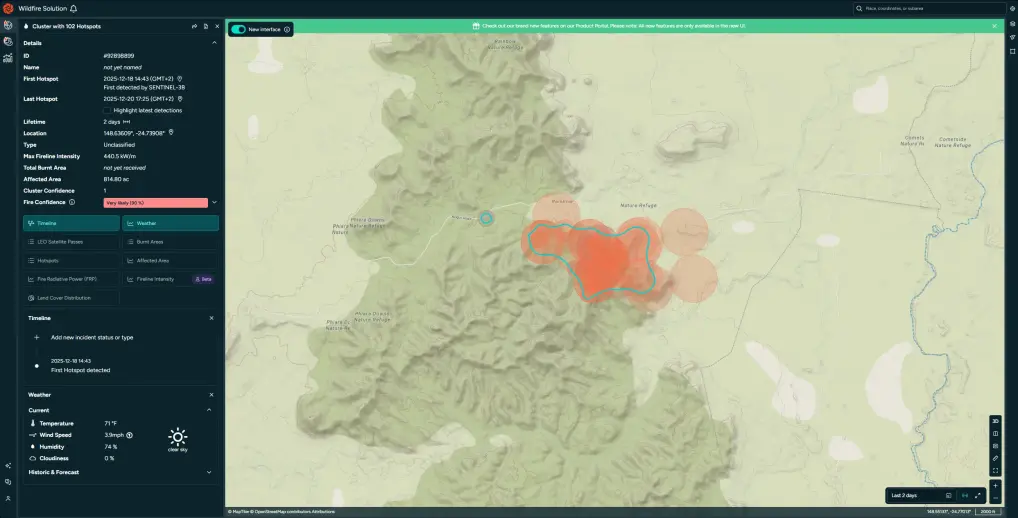
WFS 2.0
Wildfire Solution 2.0 was the largest update we have ever had to the platform. While there were tons of visual upgrades due to our new UX team, the biggest improvements came in the code. To add new features, we had to upgrade the entire backend - setting up WFS for years upon years of constant improvement.
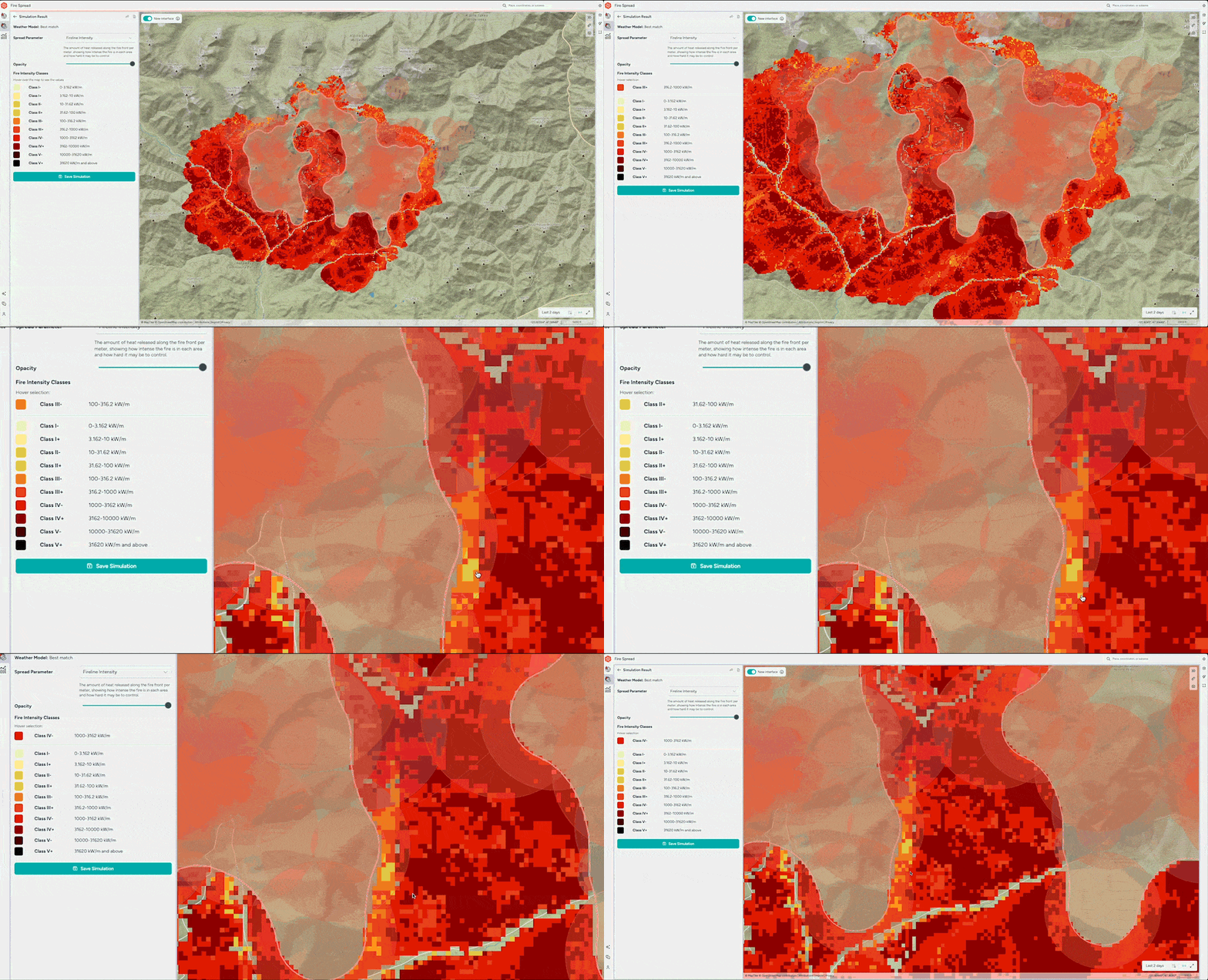
Fire Spread updates
We enhanced our fire spread product with improved modeling accuracy, expanded data inputs, and more intuitive visualizations to support operational decision-making better. We also focused on performance and usability improvements, making forecasts faster, more reliable, and easier for customers to interpret and act on.
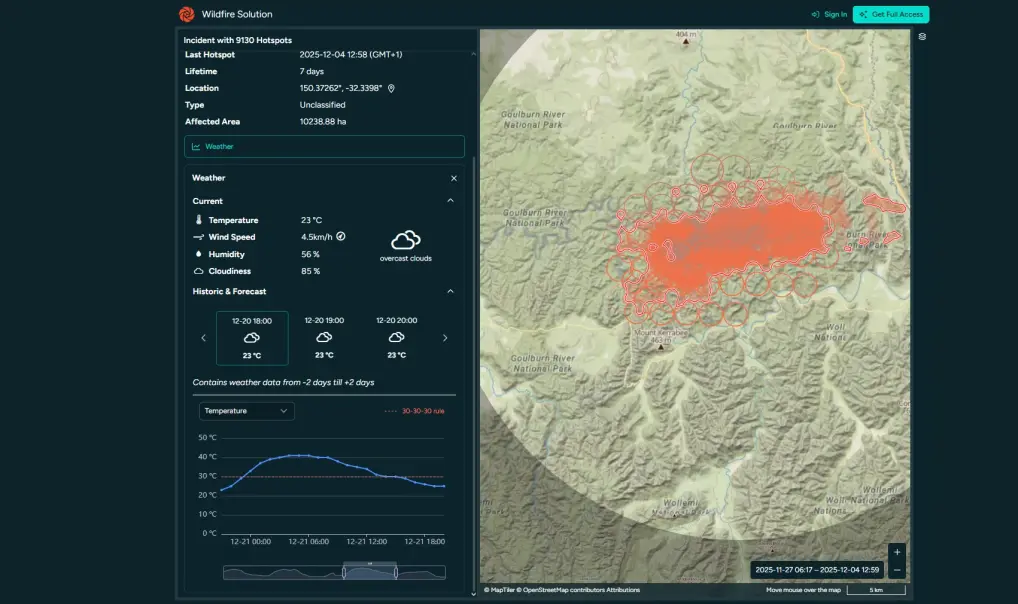
Public Snapshots
Public snapshots were a more recent update - but one of our most impactful for those sharing information during a wildfire situation. Click to share a snapshot of the current fire situation with non-users - simple and easy during an emergency.
If there’s one thing 2025 taught us, it’s this: growth demands strong foundations.
Wildfire Solution 2.0 was a necessary evolution. Behind the scenes, we upgraded the codebase to handle what was coming in the next few years: more satellites, more features, and more users relying on the system every single day.
And on the surface? It also changed a lot.
This year, we rolled out Public Snapshots, improved fire spread sharing, integrated additional satellites into the system, and introduced a new design that makes critical information easier to access when it matters most. This involved 1 major codebase upgrade, 10 minor releases, and 50 patches over the last 12 months. From our FOREST network of 35+ LEO and GEO satellites, we estimate that we detected 168,789,453 hotspots that make up 12,839,317 clusters displayed in our system. Those numbers are mind-boggling.
Number 2: FOREST-3
The quiet workhorse
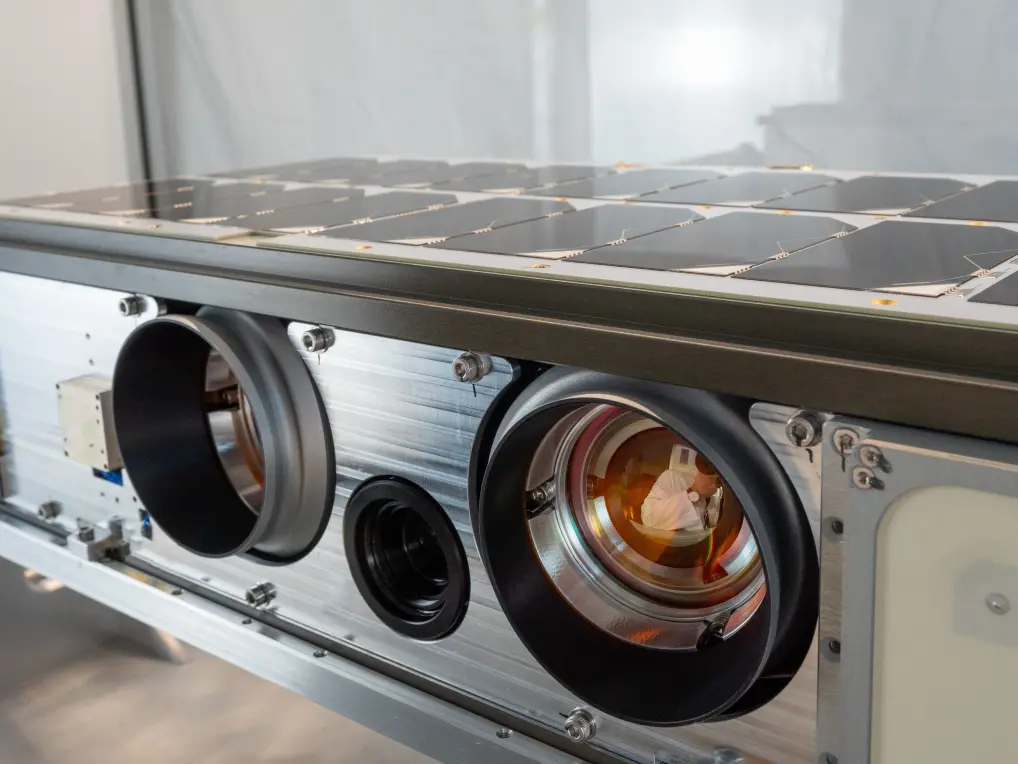
FOREST-3 in the lab
FOREST-3 in our development lab before being sent for launch. Its imager was a prototype at the time, one that has been since replicated in our more recent satellite launches.
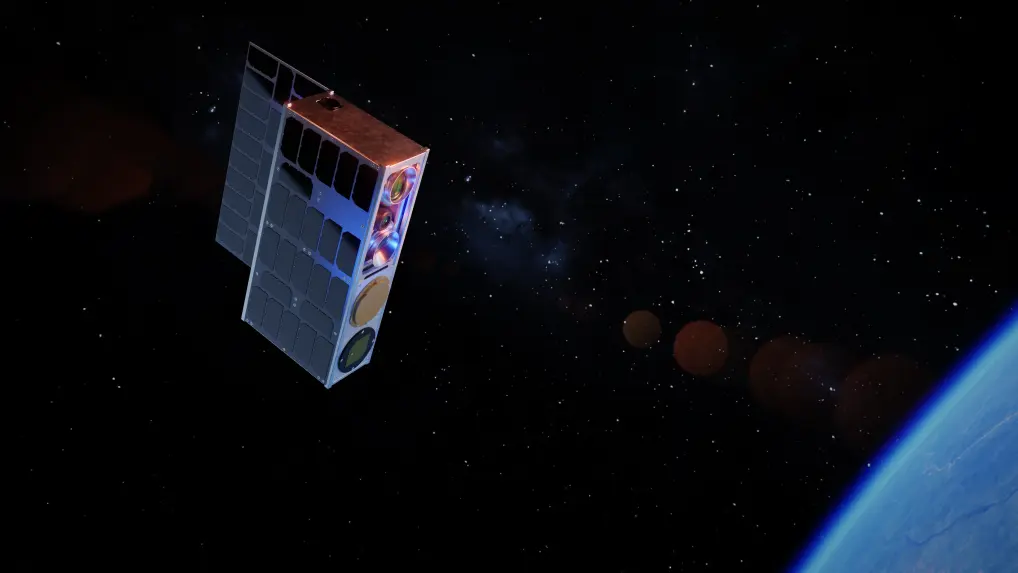
In-orbit visualization
Its hard to build technology for satellites if you have nothing to test it on - hence our workhorse. The platform is used every day for new software, detection algoriths, and other experimentation.
FOREST-3 Mission Patch
Our mission patch was designed internally, in coordination with the InCubed program apart of the European Space Agency. It represents a new horizon for our technology, allowing us to test technology that is impactful worldwide.
We don’t talk about FOREST-3 often - and that’s kind of the point. We have built it to be our orbital lab in the sky.
FOREST-3 is our experimental platform, and it’s been dutifully doing its job in orbit all year long. This satellite is where we test new algorithms, validate new satellite functions, and experiment with ground segment innovations, all while actively supporting our mission control operations.
It’s our workhorse.
Our testbed.
Our baby.
FOREST-3 plays a critical role behind the scenes, making sure the next generation of OroraTech capabilities is ready for real-world use. It may not grab headlines - but quickly has become out of our most important satellites in orbit.
Number 1: OTC-P1
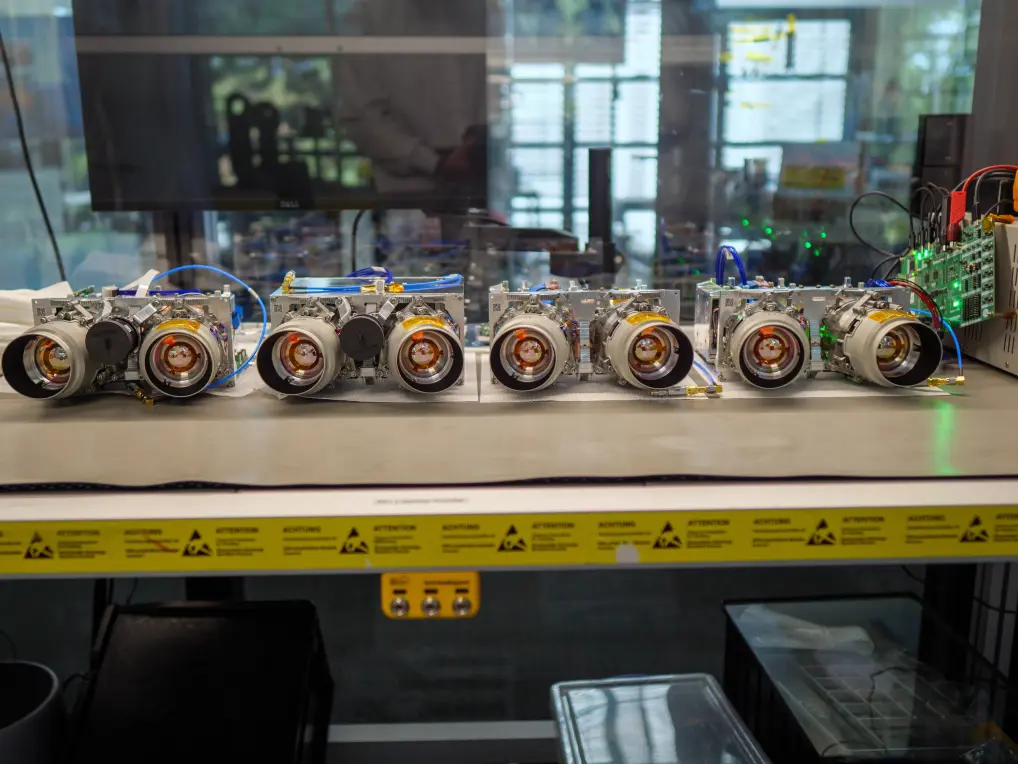
Four SAFIRE sensors right before intergration
Four of our SAFIRE sensors are on display right before being integrated into the OTC-P1 satellites. In total, eight satellites were launched into orbit.
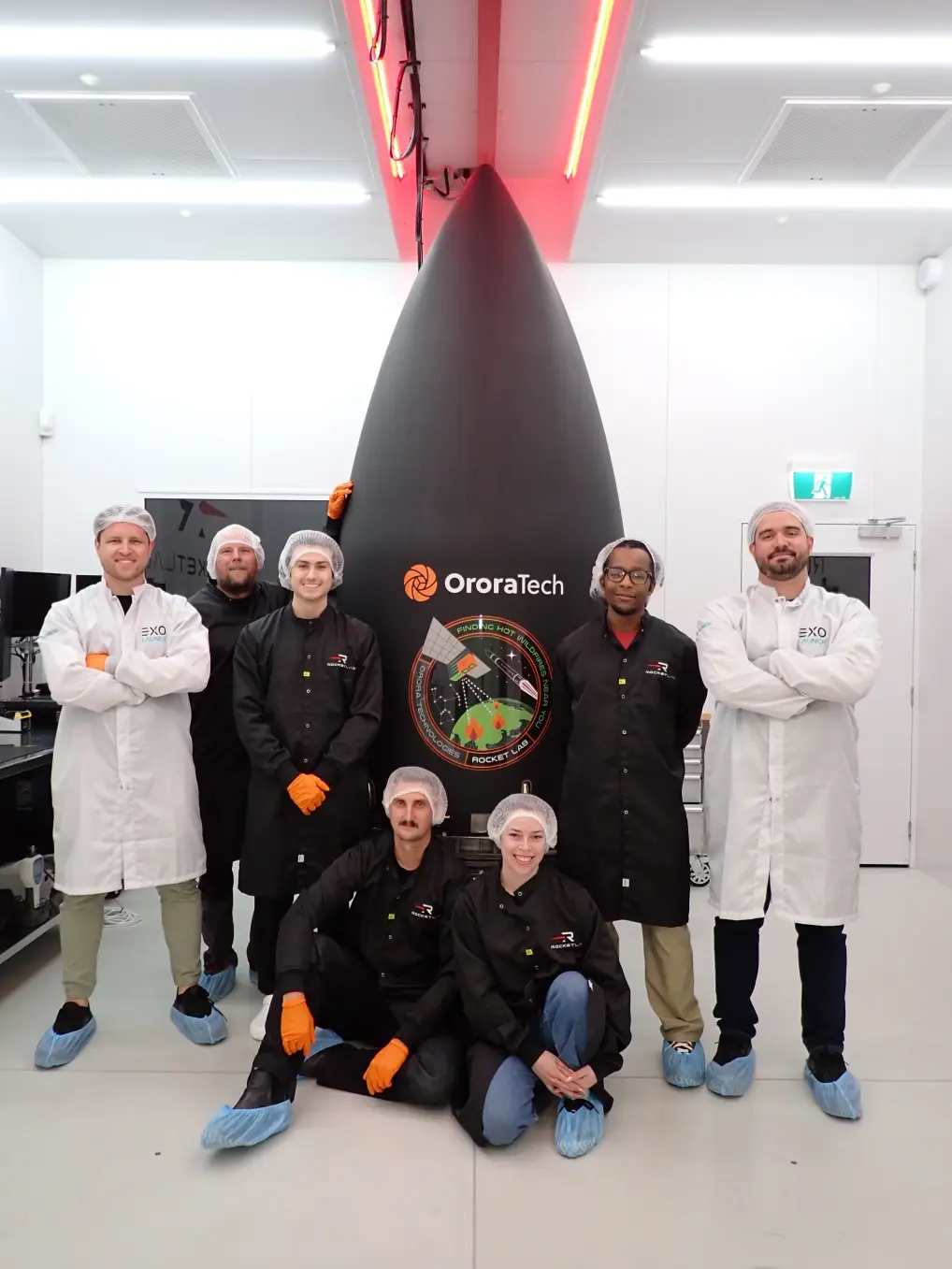
Integration
OTC-P1 being integrated into the nose cone of Rocket Lab's Electron rockets in New Zealand.
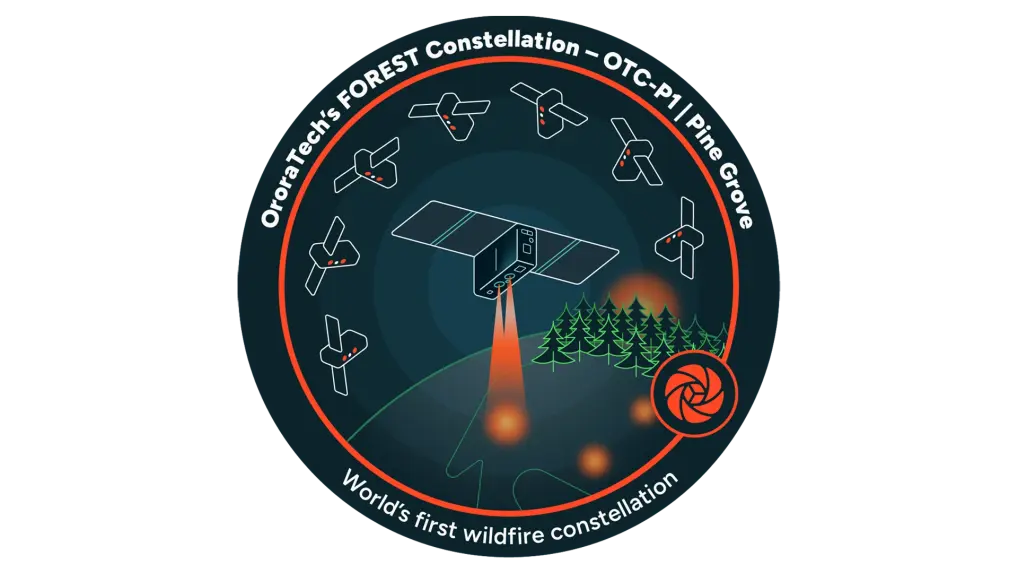
The patch design for OTC-P1
The patch for OTC-P1, which was internally designed by us at OroraTech
We can’t stress this enough: OTC-P1 is a defining moment for OroraTech.Its the world’s first wildfire constellation - who else can say that?
This launch represents the first real step toward our vision of near-constant, global wildfire monitoring. The OTC-P1 collection of eight satellites is designed to help fill the critical afternoon coverage gap, the time of day when wildfires often intensify and when firefighters need timely information the most.
Our long-term goal is ambitious: sub-30-minute revisit times, worldwide.
While the satellites are still in their commissioning phase, their role in our future is massive. OTC-P1 lays the groundwork for what comes next - for our customers, for the wildfire community, and for environmental monitoring as a whole.
As we look ahead to 2026, we’re excited to share more about what this constellation will enable. But for now, we’ll let the satellites do the talking.
Thank You — and Onward to 2026
None of this happens without the amazing people in and outside this company.
To our employees, customers, partners, and shareholders: thank you for believing in our mission and vision. Together, we’ve built something truly meaningful, and every person involved should feel proud of what OroraTech is today.
We already have so much planned for 2026 with new launches, new product releases, and new events - but we won’t spoil the fun just yet.
No matter what you celebrate this time of year, we wish you a wonderful winter season and happy holidays. Thank you for being part of our journey in 2025.
We can’t wait to see you again in 2026.
Love,
OroraTech