Beyond Technology: Why Customer Training Is Essential for Wildfire Management
By Marta Calsina, Customer Success Specialist at OroraTech
Beyond Technology: Why Customer Training Is Essential for Wildfire Management
By Marta Calsina, Customer Success Specialist at OroraTech
Satellite technology is transforming the way organizations detect and monitor wildfires. But translating how to use these powerful tools to firefighters can be a large challenge in itself - delivering powerful tools is only one part of the equation. Real impact only comes when operational teams know how to integrate those tools into their daily decision-making.
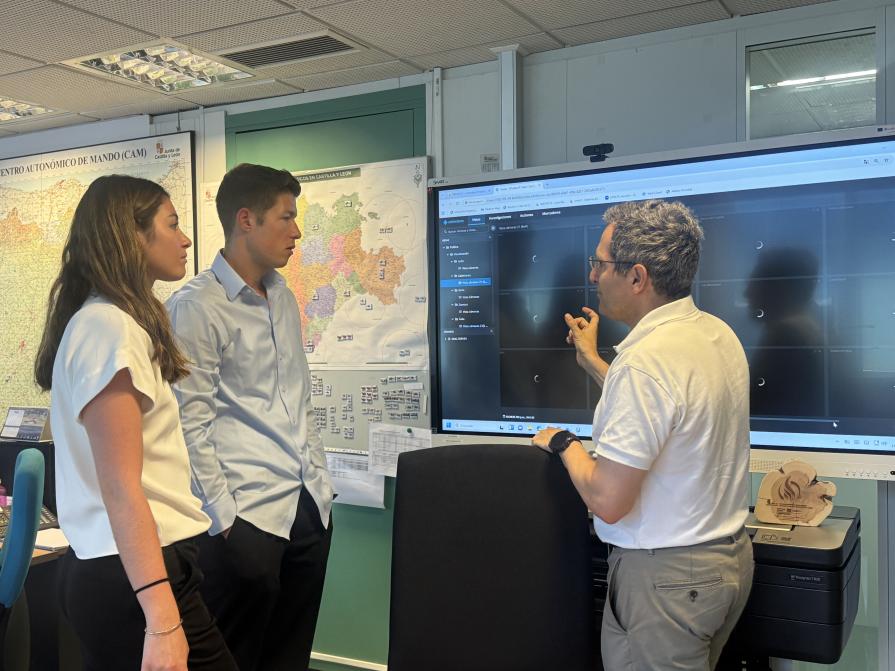
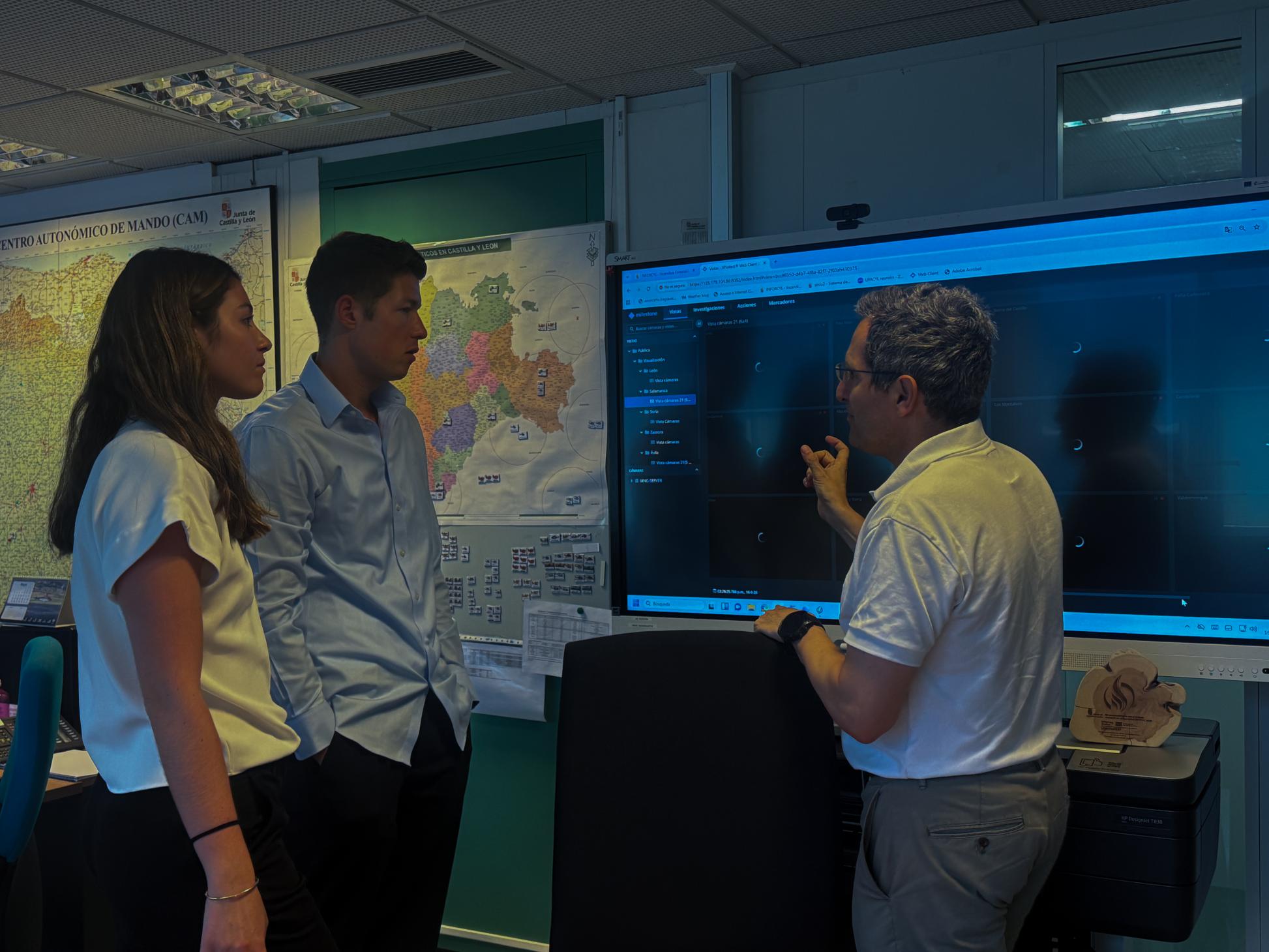
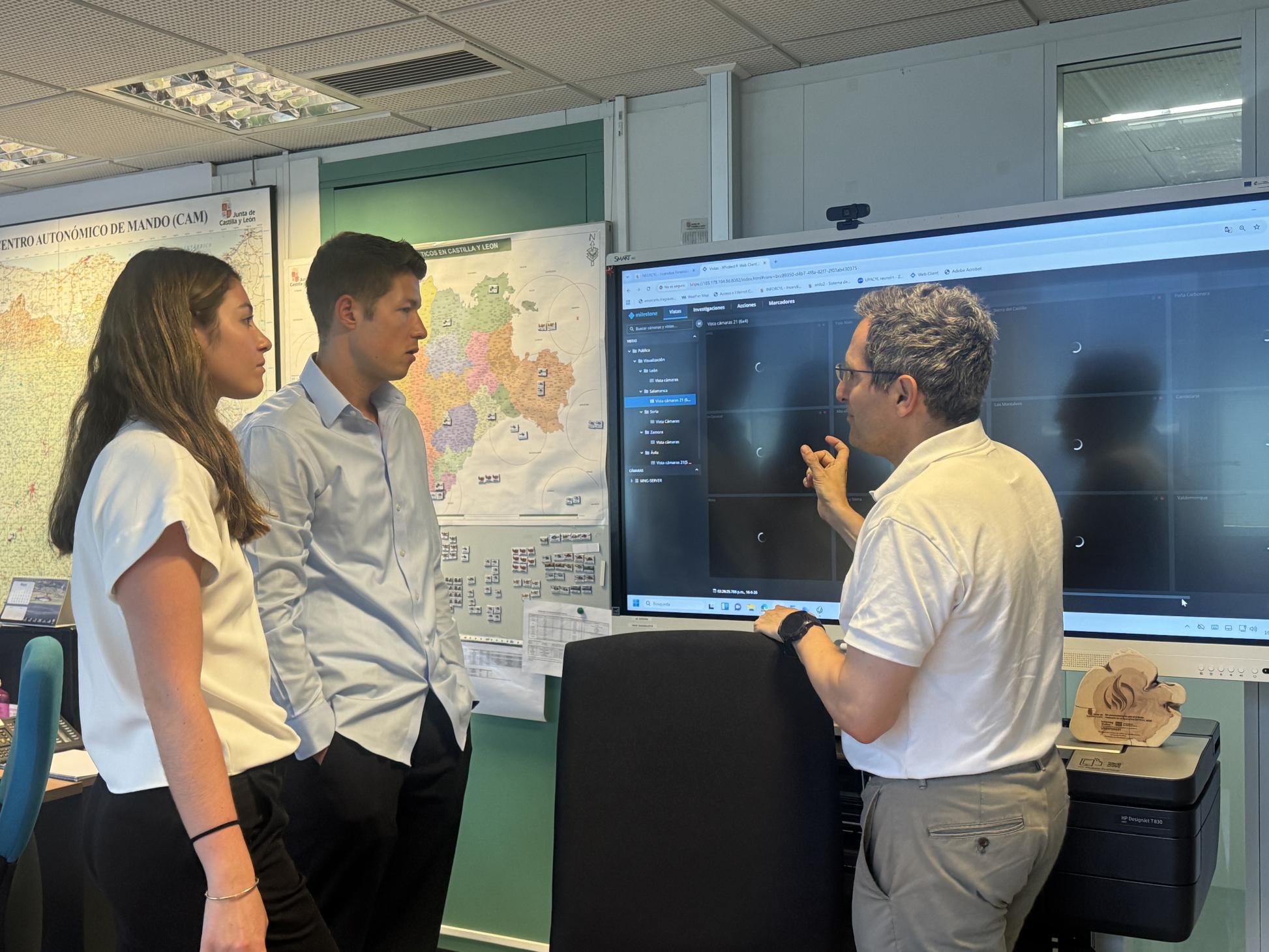
At OroraTech, customer training is more than a product walkthrough at the customer’s operation center. We take the opportunity to deeply understand the operational workflows of our users, discuss real incidents and ensure our technology supports the people making critical decisions in the field.
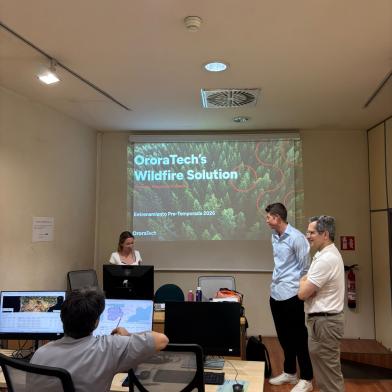
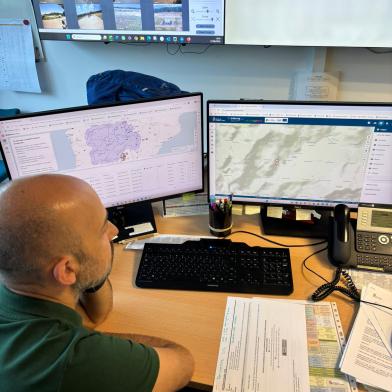
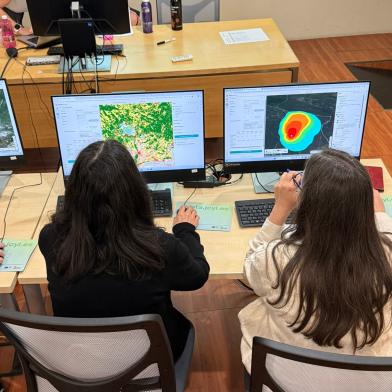
A typical training session combines platform fundamentals with hands-on exercises based on real wildfire scenarios. We always explore topics like satellite detections, Fire Confidence, Fire Spread simulations, Burnt Area analysis and incident assessment, while discussing how these capabilities fit into their own operational processes. This creates a real understanding of our Wildfire Solution platform. Every session is designed to bridge the gap between satellite intelligence and real operational workflows, ensuring that technology supports the people making critical decisions in the field.
From Features to Operational Decisions
Rather than simply explaining platform features, our training focuses on practical use cases. When I teach new users, I always have them suggest a real life fire as an example. We then explore that fire within Wildfire Solution, seeing how it's displayed in the system and comparing it to their own experiences in the field. That way, participants naturally learn how to:
understand Fire Confidence and satellite limitations,
analyze detections in context,
evaluate Fire Spread simulations,
assess Burnt Areas after an incident,
and combine satellite intelligence with their existing operational procedures.
The objective is not simply to teach users where to click, but to help them understand how each capability supports operational decision-making during a wildfire.
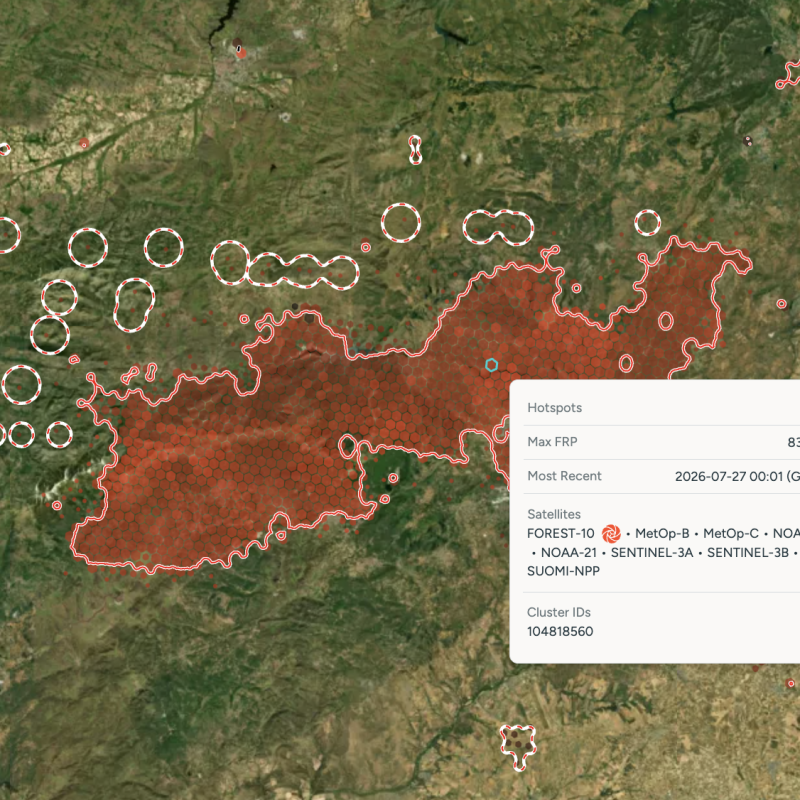
Together with customers, we review many different historical incidents, reconstruct operational timelines, and discuss how Wildfire Solution could support different stages of the response. Participants are encouraged to ask questions, challenge assumptions and explain how similar situations are managed within their own organizations.
These conversations often become the highlight of the session because they connect the technology with the reality operators face every day.
Customer training is also one of the most valuable feedback channels for OroraTech. I am constantly feeding insights from on-ground operators and firefighting teams back to our Product and Engineering teams in Munich to prioritize customer needs.
Operators provide insights into their daily workflows, pain points and operational priorities. They tell us what works well, where they encounter challenges, and which improvements would have the greatest impact during fire season. Sometimes, a simple conversation leads to a completely new feature. Fire Grid is one example: after hearing how visually overwhelming large incidents could become, we developed a new way to visualize fire activity that reduces clutter while making active areas and fire progression much easier to understand.
This direct feedback helps our Customer Success, Product, and Engineering teams better understand customer needs and prioritize developments that create meaningful operational value. Any satellite company can sell you an image or data, but actually building a platform that customers will use in emergency operations is what sets OroraTech apart.
Building Long-Term Partnerships
Training does not end after deployment. Nor should it.
As new capabilities are introduced, regular follow-up sessions help customers discover new features, refresh knowledge before fire season and continue integrating WFS into their operational processes. As our users use these tools and develop new workflows, it's best practice to check in to see their experiences. These new conversations can help us with further development and new features - and the cycle continues.
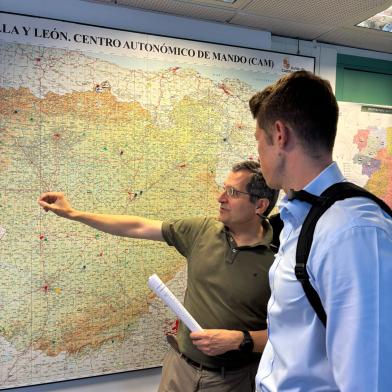
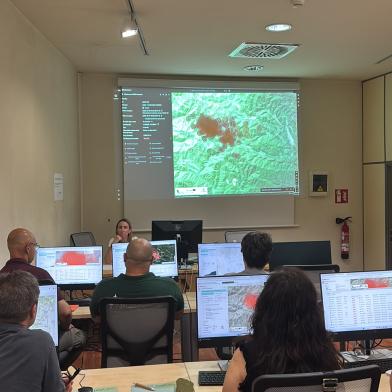
By maintaining this continuous dialogue, we ensure that the platform evolves together with our customers and that new developments address real operational challenges.
Technology Is Only Part of the Solution
Wildfire management technology is ultimately about enabling people to make faster and better decisions. It always has been, and always will be.
Even in the age of advanced satellite intelligence, successful adoption and use of these impactful tools depends on training, collaboration, and a deep understanding of customer workflows. We do not simply sell single satellite images to first responders. We have built a system of training and feedback that connects firefighters and satellite/platform developers while developing a life-saving platform. We think that’s the right thing to do.
Because the best wildfire solutions are built together with the people who use them every day.